
LEAK DETECTION
Catch Leaks in Seconds. Not Days.
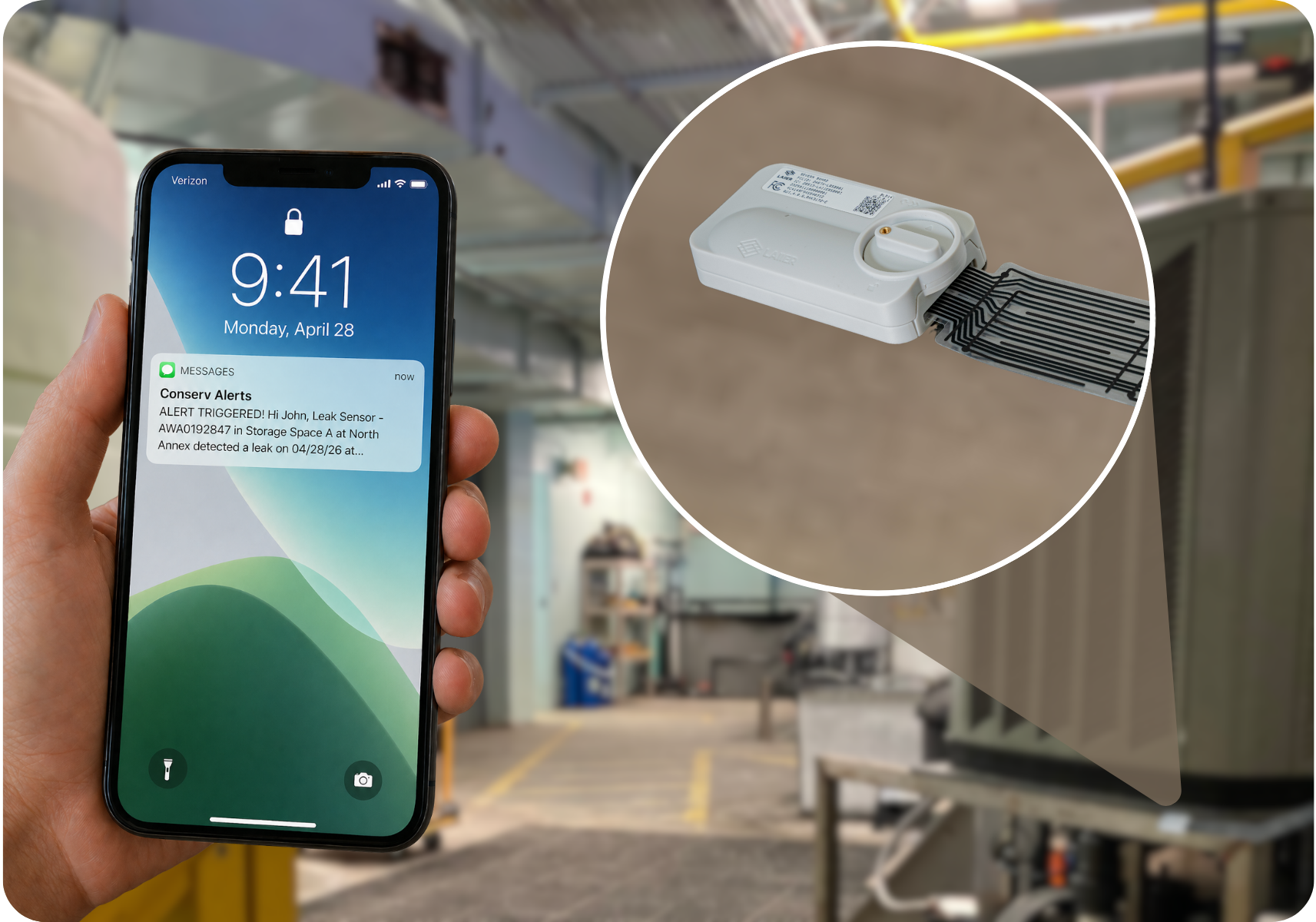
The Risk That Keeps Collections and Facilities Teams Up at Night
Water doesn’t wait for business hours. A burst pipe at 2am on a Saturday. A roof leak during a holiday weekend. A failed HVAC condensate line that no one notices until Monday morning. By then the damage is done — mold is growing, paper is warped, textiles are stained, paint is lifting. And water damage is fast; by the time you see it, the harm is already done.
Extreme weather is making it worse. More intense storms, more frequent flooding, and aging infrastructure in historic buildings mean water events are becoming harder to predict and more damaging when they happen.
THE SOLUTION
Know the Moment Water Appears. Respond Before It Spreads.
Conserv’s leak detection sensors are purpose-built for the places where collections live. They detect water at the earliest possible stage — as little as 0.1 mL — and alert your team immediately via SMS or email. No WiFi required. No IT project. Just fast, reliable early warning where you need it most. And with unlimited users in Conserv, anyone on the team can help catch leaks.
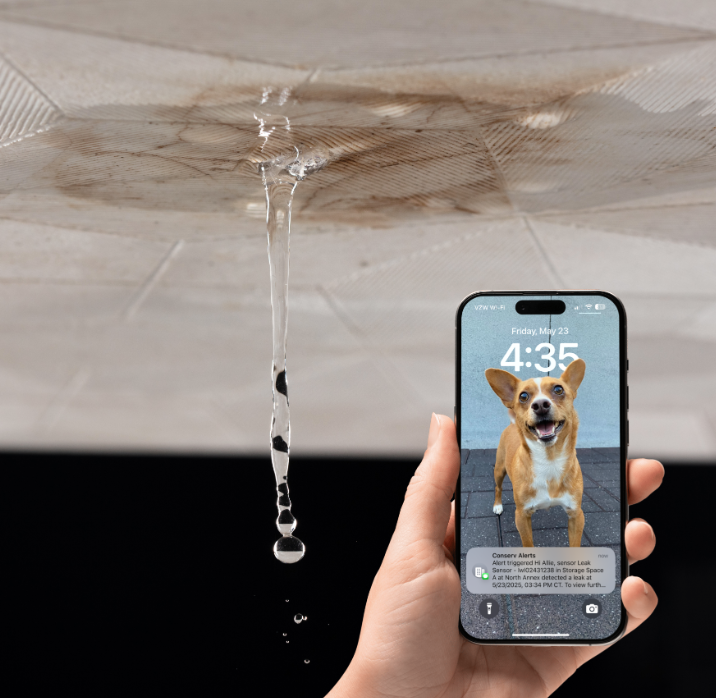
Catch it early
Respond from anywhere
Deploy in minutes, not months
One platform, complete visibility
THE RIGHT SENSOR FOR EVERY RISK
Three Sensors. Every Vulnerability Covered.
Featured
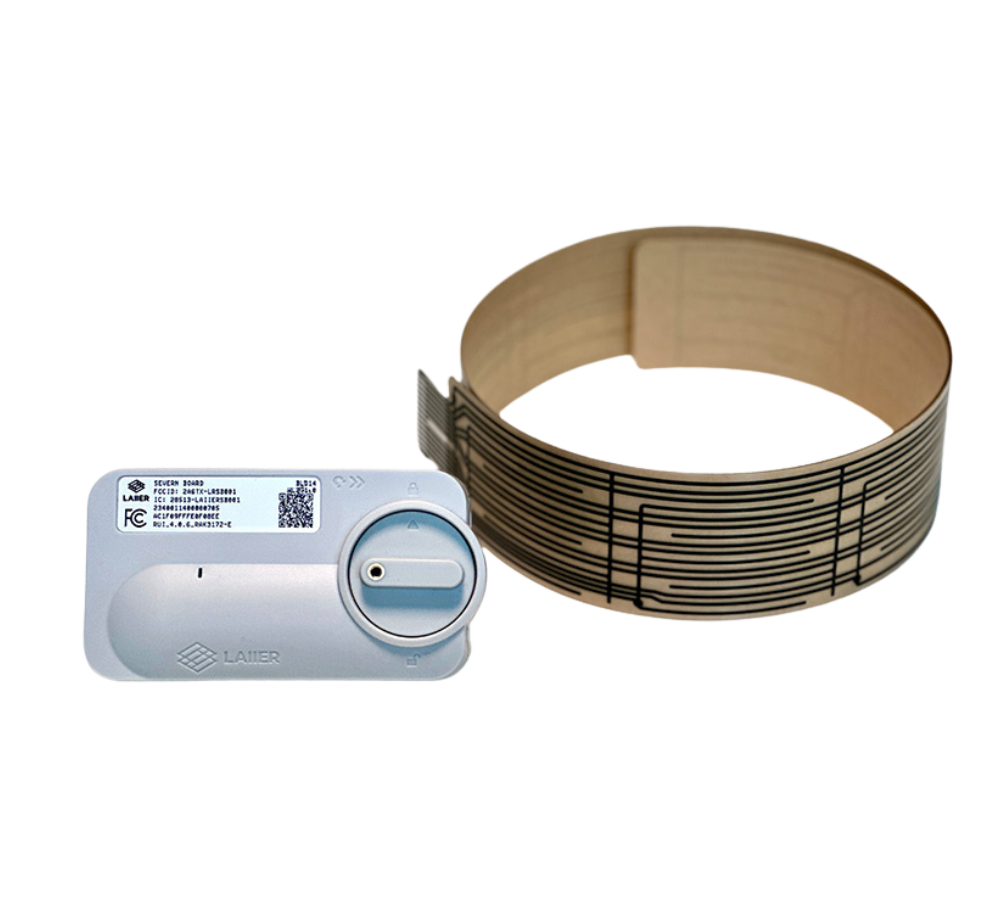
Smart Tape Leak Detection Sensor
Our most advanced leak sensor. A printed, flexible tape with 12 individual detection nodes that covers a wide area and detects water at the earliest possible stage. Apply it along pipes, under HVAC units, below windows, or anywhere water could collect.
- Detects as little as 0.1 mL (two drops)
- 12 sensor nodes for wide-area coverage
- Detects water within seconds
- Thin, flexible, self-adhesive — installs in under a minute
- IP65-rated main body — built to withstand the water it detects
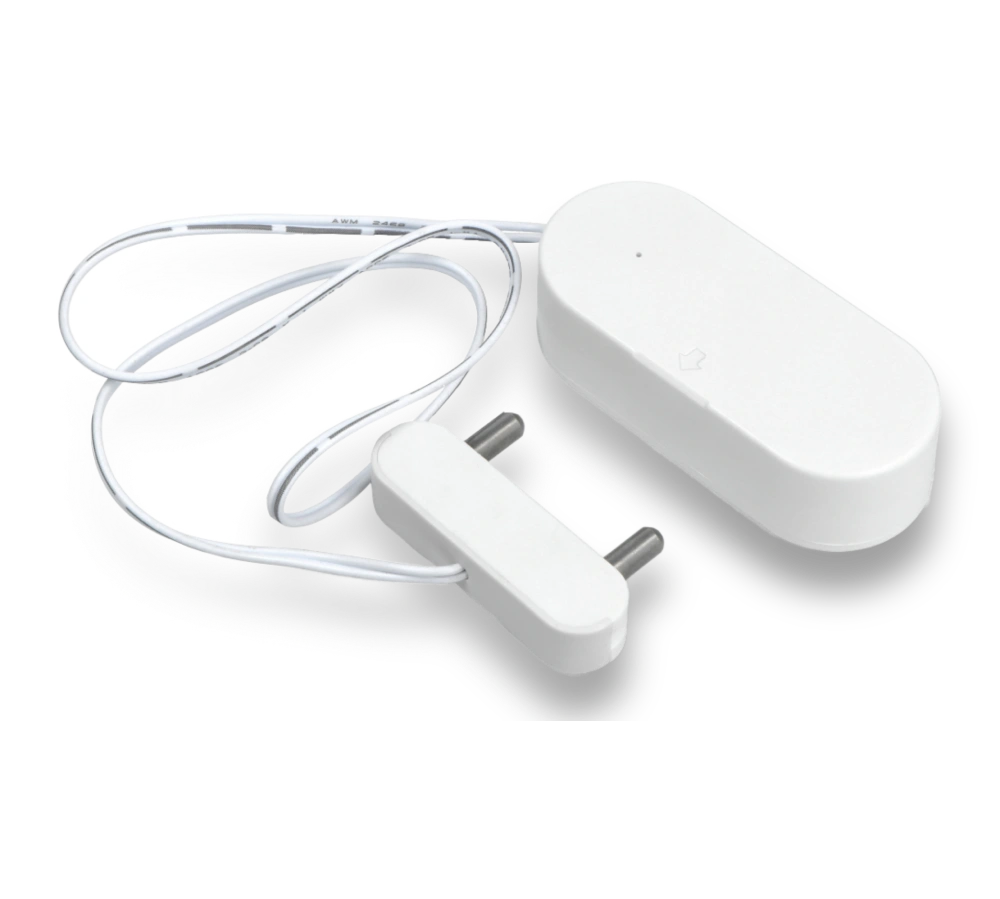
Point Leak Detector
A compact, battery-powered sensor that detects water between two metal probes. Ideal for specific risk points — dehumidifier pans, HVAC drip trays, the base of water heaters, or mechanical rooms.
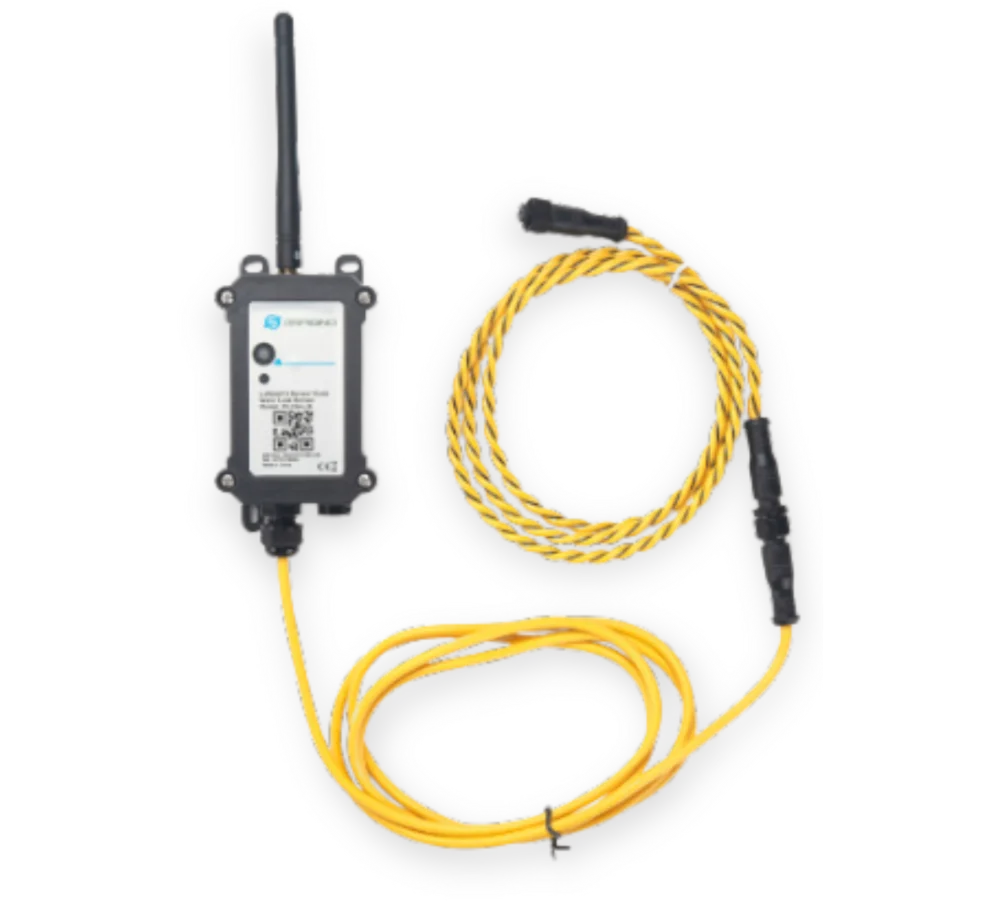
Rope Leak Sensor
A flexible sensor that detects water along a rope. Run it along the base of a wall, around a drain, through a mechanical chase, or around overhead plumbing runs. Ideal for covering longer stretches where a point sensor can’t reach.
WHERE TO DEPLOY
Protect the Places Where Water Finds Its Way In
Under and around pipes
Aging plumbing is the #1 source of leaks in historic buildings. Place sensors along pipes to catch drips before they reach collections.
Near windows, skylights, and exterior walls
Driving rain, failed seals, and condensation can introduce water in unexpected places. Sensors along window sills provide perimeter coverage.
Rooftop and basement access points
Where water enters the building envelope. Early detection here gives you the most response time.
Below HVAC and mechanical equipment
Condensate lines, cooling units, dehumidifiers, and humidifiers are common failure points. Point detectors at the base catch overflow before it spreads.
In and around collection storage
Cabinets, shelving units, flat files, and vault areas. The spaces where water damage would be most devastating deserve sensors first.
Mechanical rooms and utility chases
The hidden spaces where leaks start and go unnoticed the longest. Often where facilities teams want coverage first.
PART OF THE CONSERV PLATFORM
Leak Detection That’s Connected to Everything Else
Most leak detection systems exist in isolation — a separate app, separate alerts, separate data. Conserv’s leak sensors are part of the same platform you use for environmental monitoring, giving you a complete picture of collection risk in one place.
Same dashboard — Leak alerts appear alongside your temperature, humidity, and light data. No switching between apps.
Same network — Leak sensors use the same LoRaWAN gateways as your environmental sensors. No additional infrastructure.
Same alert system — Configure leak alerts alongside your environmental alerts. Route them to collections staff, facilities, or both.
Correlated insights — See how humidity spikes, precipitation events, and water detection relate to each other.

Already using Conserv for environmental monitoring?
Adding leak detection is straightforward. Your gateways already support leak sensors — activate them and place them where you need coverage. No new infrastructure, no new software to learn. Pricing is prorated to your current renewal date.
HEAR FROM OUR CUSTOMERS
The Smart Tape Leak Detection Sensor is remarkably easy to install. The tape adheres to just about any surface and connects automatically to the gateway. Within minutes of installation, the tape was ready to start detecting leaks and send alerts.
Getting an alert means we can fix these issues before they escalate, so we don’t have to close off areas of the museum — which is critical for us as an educational and hospitality venue.

Jun Ebersole
Director of Collections, McWane Science Center
Trusted by








COMMON QUESTIONS
Questions About Leak Detection
Do I need to be an existing Conserv institution to use leak detection?
How many sensors do I need?
What happens when a leak is detected?
Can I install them myself?
Does leak detection work with our existing Conserv setup?
Your Collection Deserves a Faster Response
Talk to a Conserv specialist about protecting your collection from water damage. We’ll help you assess your risk, plan sensor placement, and get set up — whether you’re starting fresh or adding leak detection to your existing Conserv system.