
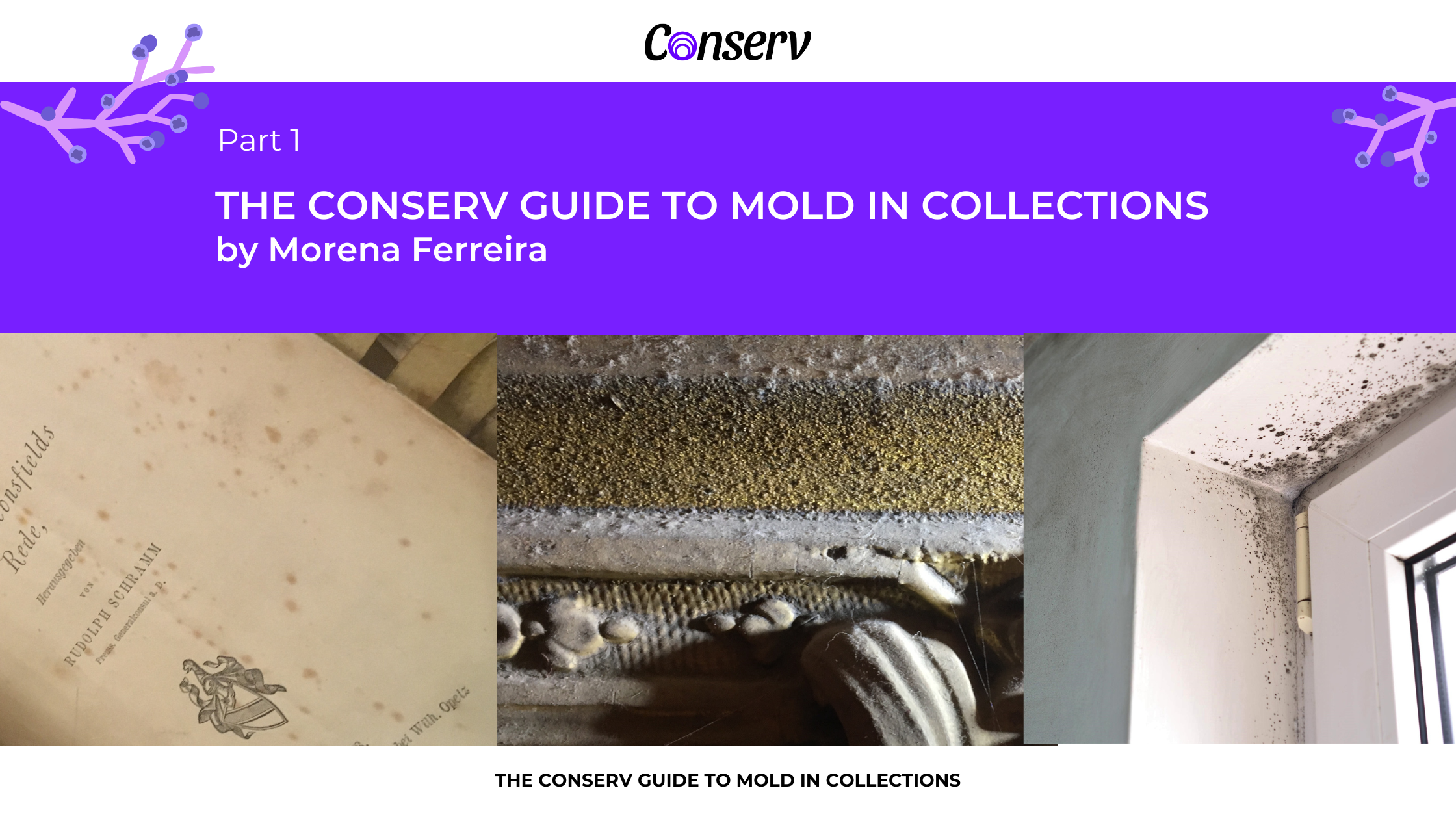
Understanding Mold in Cultural Heritage Collections
1. Why is mold notable?
Mold appears in collections usually associated with the presence of excess moisture. It can appear discretely, affecting only a few items or surfaces, but it can also rapidly infest a large amount of items or entire collections or surfaces. Regardless of the extent of the growth detected, mold affects collections in multiple ways, making prevention and early action essential.
Mold is not only a threat to objects, it is also an environmental health hazard (classified by the World Health Organization) and is known to cause respiratory issues. Exposure to a moldy environment or contaminated objects can cause irritation of the nose and throat, allergic reactions and skin issues. In the case of extended exposure, it can increase the risk of developing asthma and can also trigger asthma symptoms in those who already have the condition.
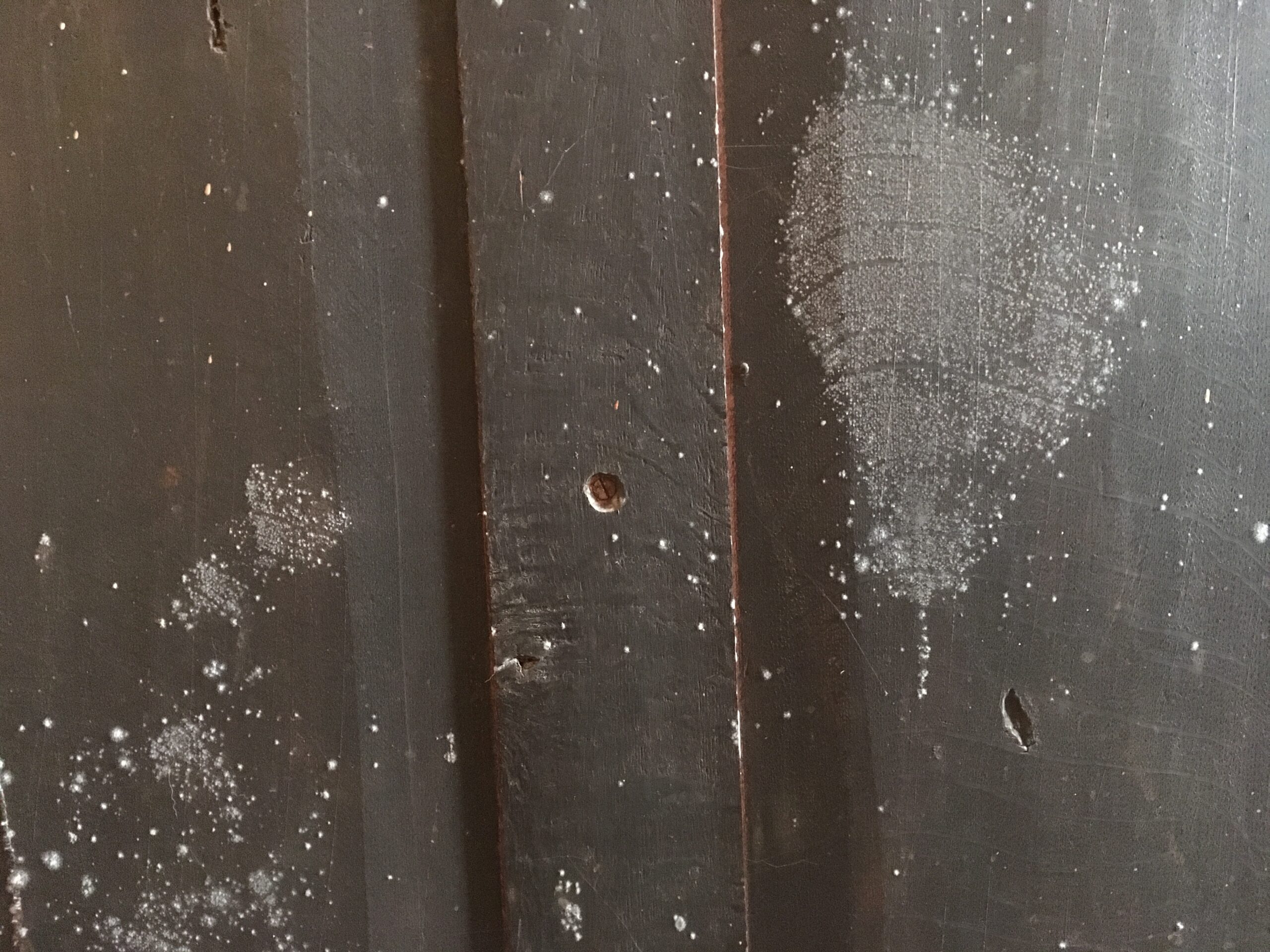
Fig. 1 — Mold growth on the back of wooden furniture. Photo: Morena Ferreira.
Beyond health risks, mold causes damage to materials. As it develops, for example, on paper or fabric, this microorganism forms colonies (typically round if left for too long) that cover and disfigure surfaces. But more importantly, degradation is caused by metabolic compounds such as enzymes that are released onto the substrate to digest it.. A combination of this digestion process and mold physically pushing through substrates to find nutrients results in the weakening of materials. This process can lead to brittleness and loss of coherence. Another common consequence is staining. Pigmented compounds used to digest materials, as well as fragments of mold structures that can be very difficult to remove, leave affected areas discolored.
Another concern is how mold impacts access to collections. As members of staff and visitors need to be protected, affected items cannot be accessed (handled or displayed) until they are considered safe. Also, depending on the extension of the growth, mold affects institutional planning and operations. Because treating moldy items is often given priority over ongoing projects, teams need to reorganize scheduled work and redirect resources.
The presence of mold is a universal problem. Its spores are always present in the air and exist in all climates with adapted species that vary in concentration throughout seasons. Although the amount of spores indoors is reduced compared with outside, it is very challenging to exclude them from indoor spaces with collections.
2. What is mold?
Molds are microorganisms belonging to the biology kingdom Fungi that includes molds and yeasts. Fungi were once considered plants (included in the kingdom Plantae) for being immobile and growing in similar ways. However, fungi do not have chlorophyll and their structures do not include leaves and roots, and so were classified separately in their own kingdom.
Fungi were incredibly important in shaping the Earth into what we know today: these microorganisms helped form the first soil by breaking down rock and enabled plants to live outside water (many millions of years ago!). Today, fungi are responsible for decomposing organic matter such as dead leaves and trees, playing a huge role in the management of the surface of the Earth. They also play an essential role in plants’ absorption of water and nutrients from the soil. At the same time, some fungi are plant pathogens and are therefore of great concern for food production and storage. In the food industry, molds are used to produce fermented foods and cheese, and yeasts are used to produce beer and bread.
Within the large kingdom of Fungi, molds are filamentous fungi. The name comes from their growth structures called hyphae (singular: hypha), which are very thin tubes or filaments. As hyphae grow and branch out, they form a macroscopic network called mycelium and grow into a mold colony – the familiar, powdery, circular patches visible with a naked eye.
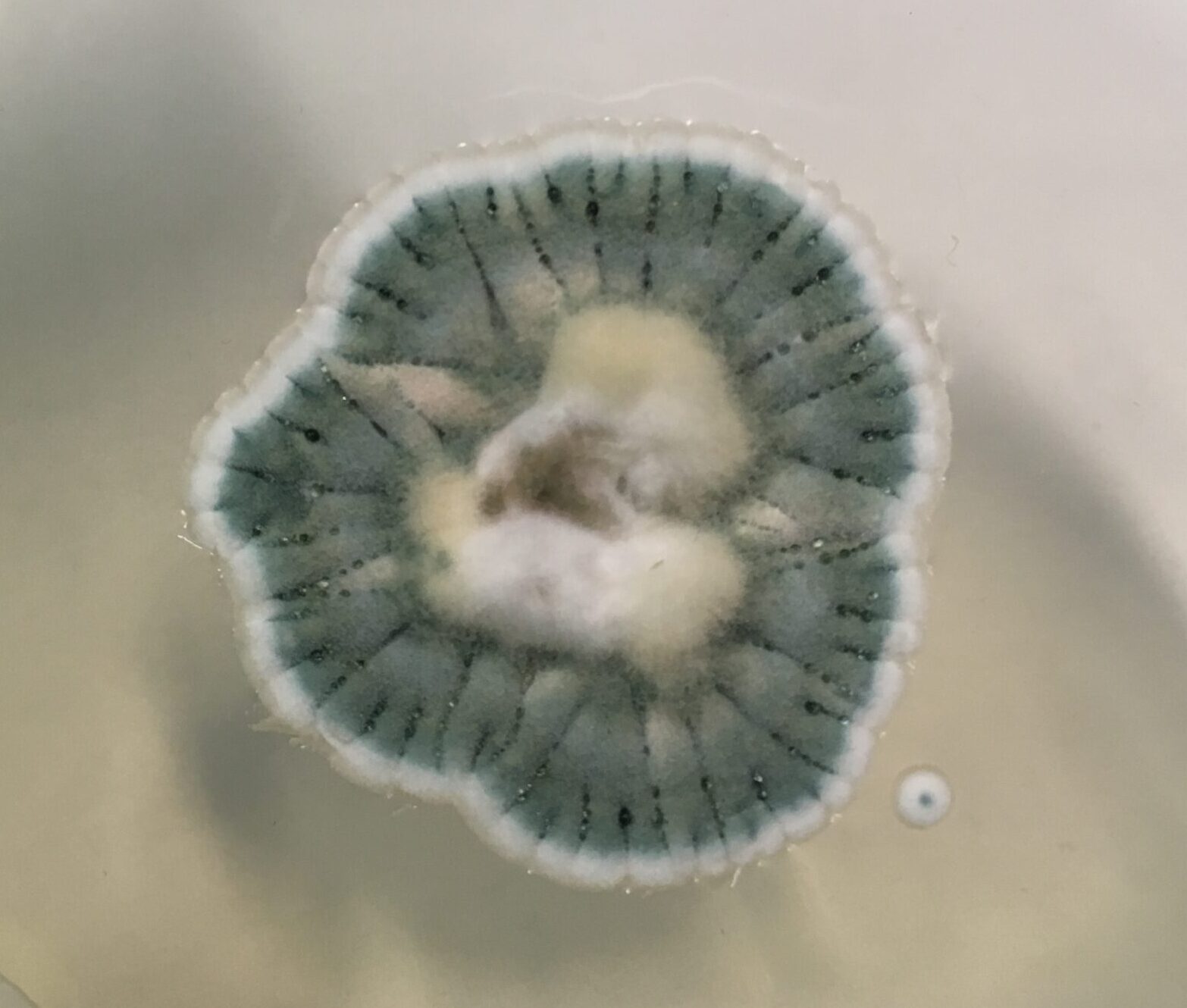
Fig. 2 — Aspergillus versicolor colony grown on agar media in laboratory conditions. Photo: Morena Ferreira.
3. Why does mold grow?
Mold propagates and reproduces with spores: microscopic propagules produced by the mycelium. Once these structures land on a surface, and conditions permit, they germinate and grow hyphae, making them vital to spread to new grounds. Mold growth – from a spore – depends on the presence of an acceptable amount of moisture, suitable temperature and nutrients on the surface where it lands. Oxygen levels and substrate pH are also important but to a lesser degree.
The moisture responsible for this process is moisture at the surface of a substrate, also known as water activity (aw). This is essentially the relative humidity in equilibrium with a surface and refers to the water that is available for metabolic growth of mold. For this reason it can be different from the relative humidity measured in the same space but far from the surface in question.

4. Basic mitigation strategies
Prevention is the most important approach to deal with mold development in collections and buildings, and it can involve several measures. Equally essential is early action once the presence of mold is detected to stop its spread on materials and the environment.
Environmental control
Precisely because moisture and temperature are so essential to the development of these microorganisms, controlling these parameters is one of the most important strategies to prevent and control mold development.
Environmental control of moisture and temperature indoors can be done in different ways. To varying degrees, the building fabric provides some buffering against the outside weather. However, temperature might need to be increased during colder seasons or kept cooler in hotter periods, many times as a means to control the relative humidity indoors. Additional humidity control might also be necessary, using dehumidifiers, for example.
The building itself can also have an impact on the indoor environment. The presence of wet walls, condensation on cold surfaces, and leaks, all increase moisture levels, making spaces more prone to the risk of mold.
Mold inspections
Monitoring collections and susceptible surfaces is also crucial to prevent mold growth. It is important to regularly inspect collections that are very susceptible to mold, either because they are composed mainly of organic materials (including fabric, paper, photographic materials, and leather) or because the environmental conditions are close to those that sustain mold (or both!). But mold inspections or surveys are also be triggered by events such as the smell of mold, an increase in relative humidity induced by a temperature decrease, or the discovery of a leak.
Cleaning
Nutrients are virtually impossible to remove from the equation of mold development in collections. In fact, objects are composed of the very nutrients mold thrives on. Other factors important for mold such as oxygen levels and substrate pH are equally hard to control in most cases.
However, one way to reduce the risk of mold is to keep surfaces free of dust. This is because dust has organic matter in its composition, contributing with nutrients, and tends to trap moisture, increasing the moisture levels close to the surface and supporting growth. This preventive measure is also very important because it removes spores that accumulate on surfaces, as they settle, waiting for suitable conditions to germinate and develop.
The amount of spores present indoors depends on factors such as the air exchange rate of the building (how fast the indoor air is renovated or replaced with new air), if there is an air filtration mechanism (for example, as part of a ventilation system) and the local airborne concentration of spores, which varies geographically, with seasons and weather conditions. The less sealed a space is, the more important cleaning tends to be, but there are constraints to an intense cleaning schedule such as time available and the conservation condition of materials.
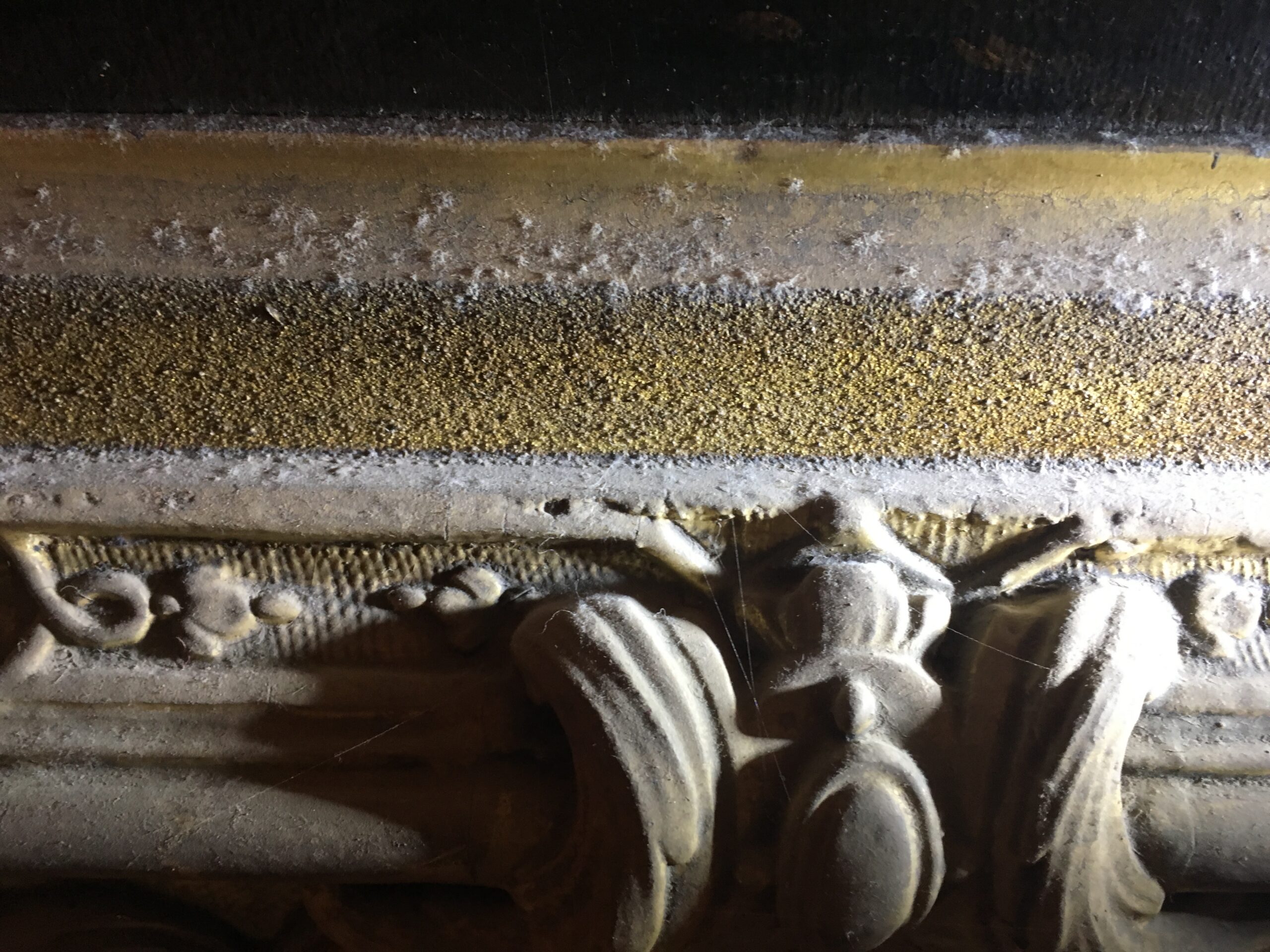
Fig. 3 — Mold growth on a gilded frame. Photo: Morena Ferreira.
Ultimately, the presence of mold affects collections and poses a risk for several reasons. Mold is a health hazard (contributing to respiratory and skin problems) and it causes biodeterioration of materials as it feeds on its components (staining and weakening materials). At the same time, it limits access to affected collections and requires special efforts from conservation teams and changes in scheduled work as addressing a mold issue is usually a priority.
Mold development indoors is usually linked to excess moisture, which can be a challenge to control in certain buildings or specific spaces. Because spores are always present in the air, prevention is essential. The main mitigation strategies are controlling environmental moisture and temperature, inspecting collections regularly, and keeping surfaces free of dust, which traps moisture and nutrients creating suitable conditions for fungal growth.

About the Author
 Dr. Morena Ferreira is a conservator specializing in preventive conservation, with particular expertise in the prevention of mold development in heritage materials and environmental control in museum contexts. She teaches risk management in cultural heritage at the Escola Superior de Conservació i Restauració de Béns Culturals de Catalunya in Barcelona, Spain. Prior to completing her PhD in Heritage Science at UCL (London) in 2023, Morena worked in the conservation of wall paintings, stone, and easel paintings in Portugal, Brazil, and the UK.