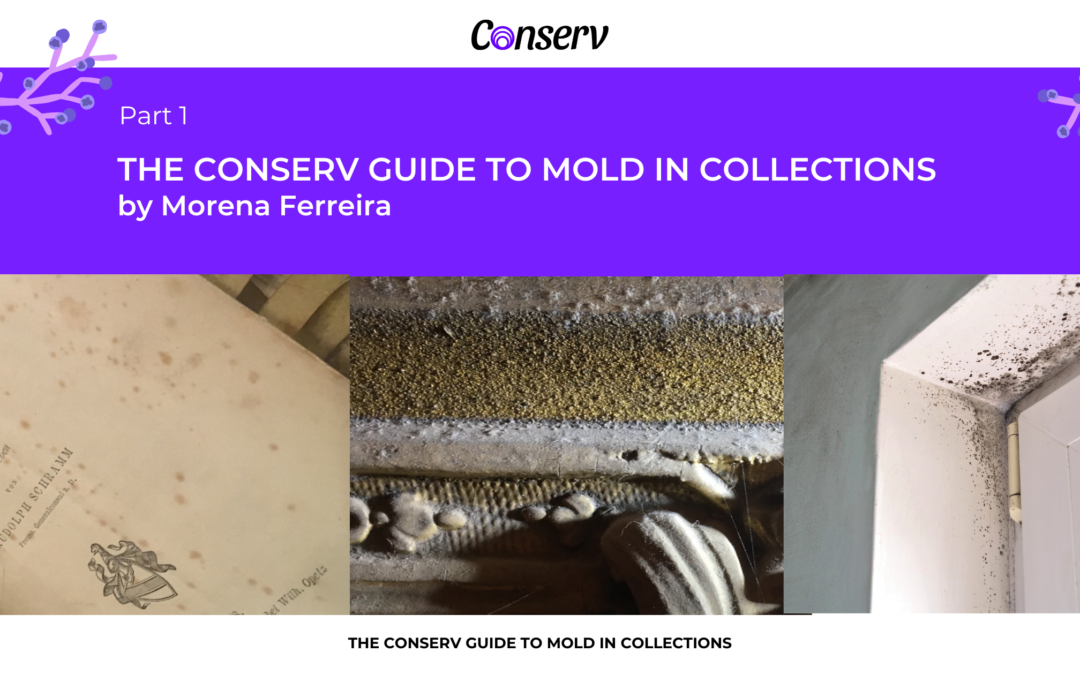
Understanding Mold in Cultural Heritage Collections 1. Why is mold notable? Mold appears in collections usually associated with the presence of excess moisture. It can appear discretely, affecting only a few items or surfaces, but it can also rapidly infest a large...
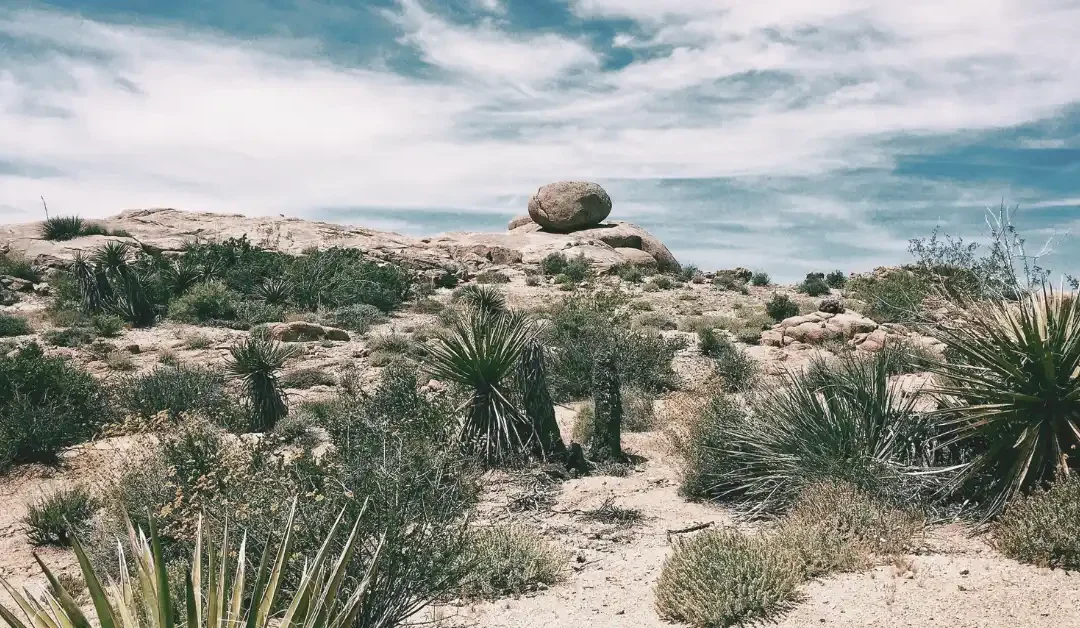
I was visiting with a museum colleague who had recently moved to Santa Fe, New Mexico from the Midwest. He said he was thrown by the environmental conditions that he now must deal with managing collections in an arid environment. He said that his training on museum...
Just like museums and galleries, archives and libraries must pay close attention to the temperature and humidity conditions in their spaces. It would be tempting to think or expect that archive collections are not as materially diverse as ethnographic museum...
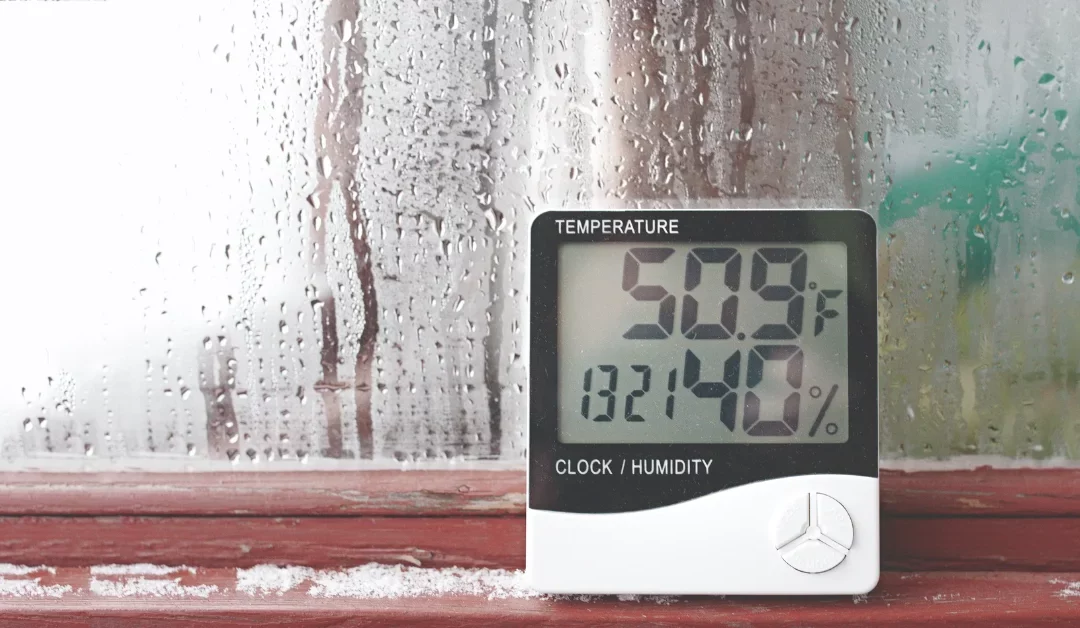
Humidity, or more accurately for conservation purposes, relative humidity (RH), is one of the most important environmental factors that affect the preservation of collections. Too high or too low RH can cause damage such as corrosion, cracking, warping, and even...
Mold is naturally everywhere, all the time. Spores are floating around and sitting on surfaces constantly waiting for the right temperature and humidity conditions to sprout and grow. If you find mold and clean it off and disinfect the area, this does not mean that it...